Wired and Tired? Your Nervous System May Be Driving Your Hormonal Issues.
You may have noticed that when you’re stress is heightened, so too are your symptoms, and when you’re going through a challenging period, your health conditions that may have been lying dormant and not bothering you all of a sudden flare up. Understanding the relationship between your nervous system and your other body systems is helpful in bringing you back to balance. As a naturopath, this is often a piece of the healing puzzle I’m working to tackle.
The Cortisol Awakening Response: What Waking Up Tells Us About Your Health
There is a window of about 30 to 45 minutes after you open your eyes each morning that, according to a substantial body of research, tells us more about the state of your stress system than almost any other single measurement. It is called the cortisol awakening response, and most people have never heard of it.
It is not the same as a morning cortisol level. It is not captured by a standard blood test. And it predicts health outcomes in ways that single-point cortisol measurements simply cannot.
If you have been told your cortisol is "fine" but you still wake feeling unrefreshed, struggle to get going, crash mid-afternoon, or find your resilience to stress chronically depleted, the cortisol awakening response may be telling a very different story.
PCOS- PMOS Same Condition New Name - Not Just a Hormonal Condition.
If you've been told you have PCOS, you've almost certainly been handed one of a few standard explanations: your hormones are out of balance, your periods are irregular, you may have trouble with weight, and if you want to conceive, there are things you can try. What you may not have been told is what's actually driving it, or that the drivers are considerably more complex, and more systemic, than a single hormonal imbalance.
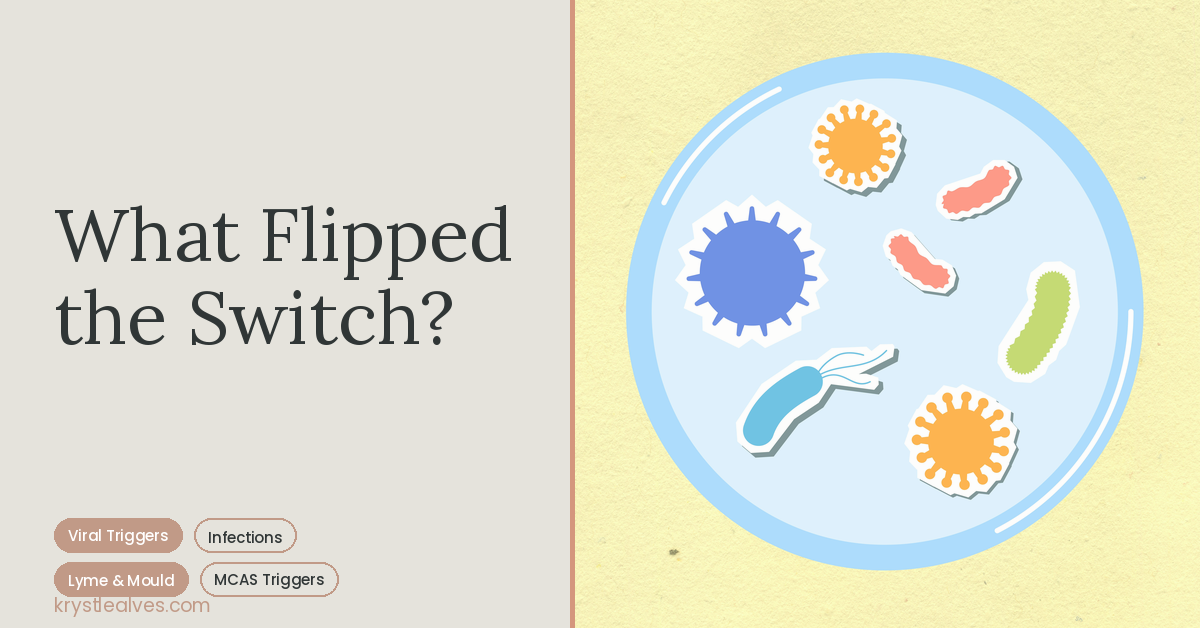
What Flipped the Switch? Infections, Mould, and Environmental Triggers in Mast Cell Activation Syndrome
This article addresses a specific question that many MCAS patients are never asked, and that conventional medicine is not well-equipped to investigate: what was the initiating event?
For a significant proportion of people with MCAS, there is an identifiable point at which the mast cell system shifted from background normal to chronically dysregulated. When a condition takes months/ years to diagnose these elements get lost in the complex patient with a long list of medical issues.
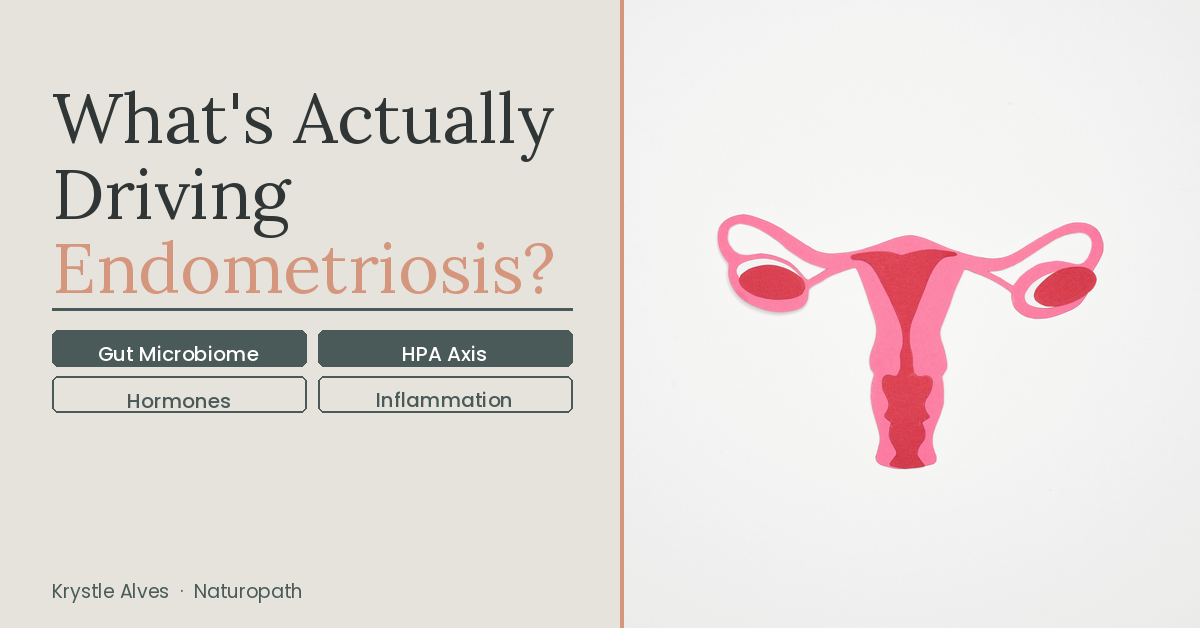
What Is Actually Driving Endometriosis? What the Research Tells Us Now
Endometriosis for many women is a debilitating condition which touches every area of their life! However for some it’s completely silent- this has been a small part of the reason why it’s been so challenging to achieve diagnosis in early stages. Understanding some of the mechanisms behind the disease can be insightful and helpful for you to understand what’s happening in your body and there are many things we can do to slow and even reduce the severity of the condition.
MCAS Is Not a Histamine Problem. It's a Signalling Problem.
This article addresses the question that matters most once the picture of MCAS is recognised: why did this happen, and what does it actually take to change it?
Why You Should Throw Your Scales Out During Perimenopause
You’re eating the same meals and doing the same amount of exercise, but the weight keeps coming on. You feel a level of anxiety every time you think of jumping on the scales, and they seem to fluctuate by a kilo or two with no clear link to what you’re actually doing. You are likely missing the key data points when it comes to understanding your metabolism and what’s actually going on.

Your Immune System Is on a Hair Trigger: Understanding Mast Cell Activation Syndrome
You have a myriad of symptoms that you’ve been sent to multiple specialists for, and maybe had 2-3 possible diagnosis. Food allergies, IBS, immune dysfunction. However, there is a condition that we now know can take years to diagnose and has a significant role to play in autoimmune conditions. It’s called MCAS. Mast Cell Activation Syndrome, and it has a significant impact on your long-term health.

You Thought HRT Would Make It All Better. But It Hasn't.
You did the thing you were supposed to do. You went to your GP, described the symptoms the broken sleep, the brain fog, the mood that turns on a dime, the exhaustion that no amount of rest fixes and you walked out with a prescription. Hormone replacement therapy. The thing that was supposed to put you back together.
Maybe it helped a little. Maybe it helped at first. But something still isn't right. You still don't feel like yourself. And nobody has a good explanation for why.
Here's what most people aren't being told: perimenopause is not an estrogen problem. Not entirely. And if the only thing being addressed is estrogen, it's no surprise the results are incomplete.

The Deficiencies Being Missed for Years, And Why Your Bloods Keep Coming Back Normal
Is it a deficiency that’s actually driving your symptoms? These are the most common ones I pick up daily at the naturopathic clinic and they’re generally present for years without anyone bothering to check you for them.

Antidepressants and Libido: The Side Effect You Probably Weren't Warned About
Sexual side effects are among the most common effects of antidepressants and among the least discussed. What SSRIs do to desire, arousal and orgasm, which other medications are involved, and how to raise it properly.

The ApoE Gene, What Your DNA Tells You About Your Brain Health
Knowing what genetic mutations you’ve inherited can be life-changing. While carrying a gene does not mean you are going to develop a disease like dementia, which we’re covering here, it can act as a very motivating factor to encourage better health choices and allow you to be very proactive in your health and wellbeing.

Low Libido in Women: What Nobody Is Asking You
Low libido in women is rarely investigated properly. Here is what testosterone, cortisol, tissue changes, the pelvic floor and the brain each contribute, and why it deserves more than a shrug.

Menopausal Brain Fog or Something More Serious?
Is it just perimenopause or should you be more concerned? The brain fog is real, and it can leave you feeling like a different person. You start to doubt yourself, and you can feel the confidence you once had in your work and social situations slipping away every time you pull a blank. In this article, I go into the key considerations in perimenopause brain.

The Antidepressant Epidemic Nobody Is Talking About: Perimenopausal Women and the Brain Chemistry Shift
The fastest-growing demographic being prescribed antidepressants in Australia is women in their perimenopausal transition. Not adolescents. Not people with diagnosed psychiatric illness. Women in their forties, often in the most demanding decade of their lives professionally and personally, presenting to their GP with low mood, anxiety, emotional volatility, sleep disruption, and a sense that they are no longer themselves, and leaving with a prescription for an SSRI.

Am I in Early Perimenopause? Everything You Need to Know
If your instincts are telling you something is up, but you’re just not sure if it’s the pause or something else, this article will help give you some insights into what to look out for and, more importantly, how a naturopath tests in early perimenopause. It’s important to be on the front foot with your health.

The Perimenopause Journey: Understanding Every Stage of the Transition
The single most important stretch of your health journey might be happening right now. Understanding the stages is vital to getting a handle on your health for the next 10-20 years.

Always Tired But Your Blood Tests Are Normal? Here's What A Naturopath Looks For

HPV & Cervical Health- How a naturopath can help
If you have recently received a HPV diagnosis regardless if it’s the 16-18 strain or another seek support from a naturopath who’s experienced working with this. They may be able to help with clearing the virus faster to decrease your chances of developing cervical cellular changes and in the long run something potentially more serious.

Your bloods come back ‘normal’ but you feel far from!
Are you tired of feeling sick and tired and being told your bloods are ‘normal’ in this post we cover the key things you need to know about your pathology tests, and how to advocated for proper investigation and insights into what’s driving your health concerns.