The GP Said You’re, Not Menopausal Yet
But Something Has Clearly Changed.

You Know Your Body. And You Know Something Has Changed.
You are forgetting words mid-sentence. You are snapping at people you love. Your weight is shifting around your middle despite nothing changing. You went to your GP, your bloods came back normal, and you drove home knowing that something is still very wrong.
This is the perimenopause gap, the years of significant hormonal transition that standard testing consistently misses.

What Is Your Body Actually Telling You?t
Oestrogen governs insulin sensitivity and fat distribution. As it fluctuates, the body becomes more efficient at storing visceral fat, even when nothing has changed in your diet or exercise. This is not a willpower problem. It is a metabolic shift driven by hormonal change, and it responds to targeted clinical intervention.
The weight that makes no sense
Progesterone, the first hormone to decline in perimenopause, is naturally calming. When it drops, the nervous system loses its primary buffer. The result is lower threshold for overwhelm, heightened reactivity, and a snappiness that does not reflect who you actually are.
The mood and patience that have shifted

Oestrogen is neuroprotective. Word-finding difficulties, mid-sentence blanks, slowed processing these are neurological manifestations of hormonal transition. Not early dementia. Not permanent. Findable and addressable.
The brain that is not firing
Both oestrogen and progesterone directly influence sleep architecture. Their fluctuation produces lighter, less restorative sleep, leaving you exhausted regardless of hours spent in bed.
The sleep that has broken down

How You Navigate This Transition…
Determines how you age over the next 20 years
Perimenopause is not a hormonal inconvenience to be managed. It is the most significant window in a woman's long-term health trajectory.
The decade before menopause is when cardiovascular risk, bone density, cognitive function, and metabolic health are most responsive to intervention.
Miss this window, and you are managing consequences.
Use it well, and you genuinely alter your trajectory.
You’ve likely spent the last 10-20 years putting everything and everyone else first… Is it time for you to prioritise your health?

The Test Your GP Ran Was Not Designed to Find This.
During perimenopause oestrogen does not decline gradually, it fluctuates wildly. A blood test on the wrong day looks completely normal while the hormonal picture is anything but.
This is why so many women are told they are not perimenopausal, when they are well into the transition. Standard testing was not designed to capture a moving target.
We investigate: DUTCH complete hormone panel, oestrogen, progesterone, testosterone, DHEA and cortisol mapped across the cycle. Not a single blood draw.
Your Questions, Answered-
Common early signs include cycle changes, worsening PMS, sleep disruption, mood shifts, brain fog, and abdominal weight gain, often beginning in the early 40s. If your GP has run standard bloods and told you that you are not menopausal yet but you are experiencing these symptoms, a functional hormonal investigation is the appropriate next step.
-
FSH and oestradiol, the standard markers, are poor indicators during perimenopause because hormones are fluctuating, not declining steadily. A single test on a single day can appear normal while the hormonal picture is significantly dysregulated. The DUTCH panel captures what a standard blood test cannot.
-
Yes. If the investigation supports a case for HRT, I will prepare a clinical summary of the findings that you can take directly to your GP. Having objective functional data significantly strengthens that conversation.
-
Perimenopause is the transition, the years of hormonal fluctuation before the final period. Menopause is confirmed after 12 consecutive months without a period. Most symptoms associated with menopause actually occur during perimenopause, which typically lasts four to ten years.
-
No. The foundations for healthy hormonal ageing are built in the years before perimenopause begins. Understanding your hormonal baseline and metabolic markers in your late 30s gives you the clinical data to intervene before the transition accelerates.
HOW WE INVESTIGATE

The full hormonal picture.
DUTCH complete panel, hormones, metabolites, cortisol pattern across the cycle. The data a standard blood test cannot capture.
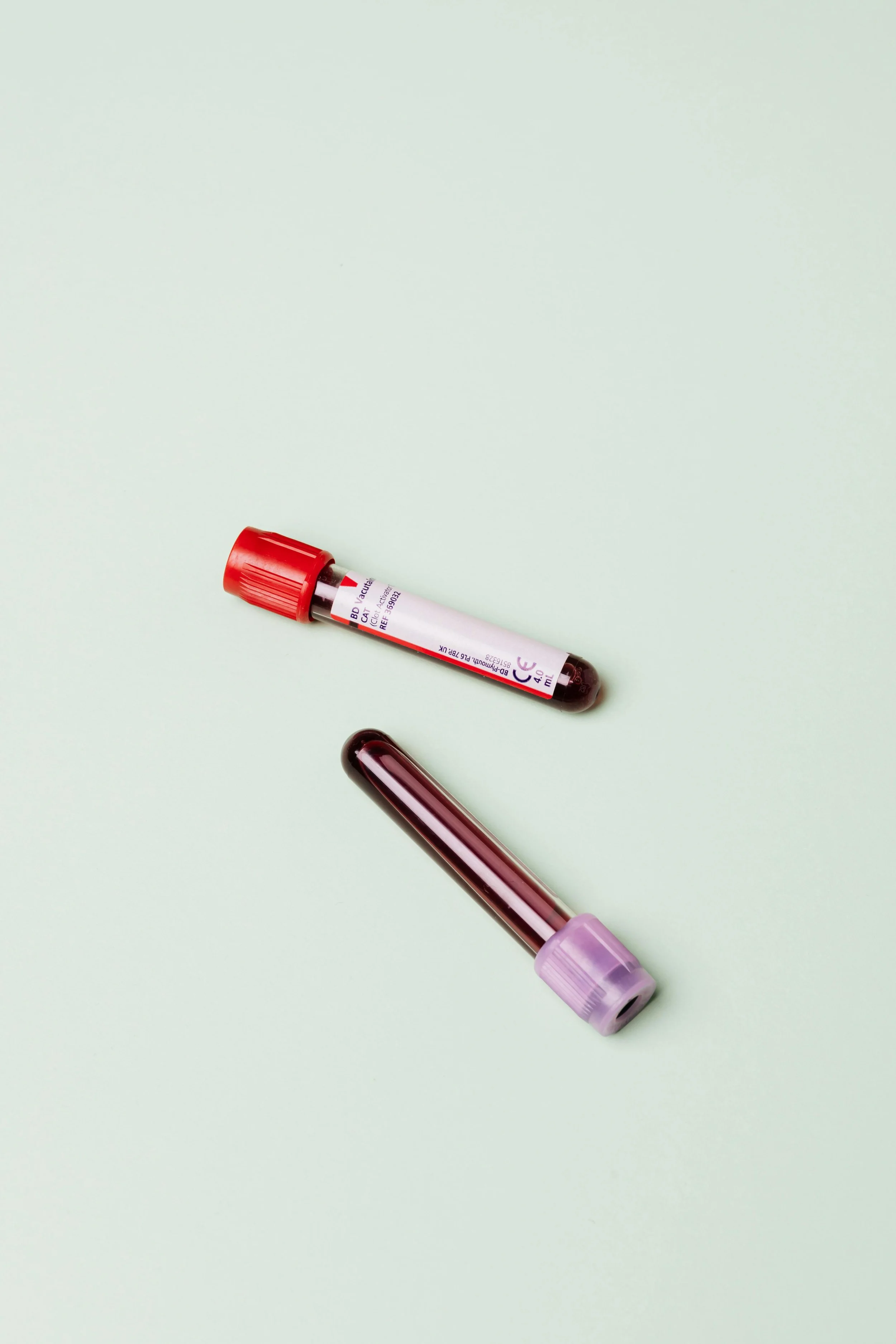
Metabolic and long-term health markers.
Fasting insulin, thyroid, cardiovascular risk, bone markers, inflammation, vitamin D. How your body is ageing alongside the hormonal transition.

Your genetic context.
MTHFR, COMT, CYP variants, how you metabolise oestrogen, clear hormones, and respond to the interventions available to you.