The Deficiencies Being Missed for Years, And Why Your Bloods Keep Coming Back Normal
Six common nutrient deficiencies, the symptoms they cause, and why standard testing is designed not to find them.
You've been tired for longer than you can remember. Your brain doesn't feel like your brain. Your hair has changed. Your mood is less stable than it used to be. Your joints ache. You've had your bloods done, possibly more than once, and every time, you're told everything is fine.
This is not a failure of your body. It is a failure of what's being screened.
In clinical practice, I see the same nutrient deficiencies presenting repeatedly, in people who have been symptomatic for years, who have sought answers through multiple practitioners, and who have been reassured each time that their results are normal. What those results often reflect is not adequate nutrient status. They reflect the lower end of a reference range designed to identify clinical deficiency, not functional sufficiency.
There is a meaningful difference between not being anaemic and having enough iron to think clearly. Between a vitamin D level that prevents rickets and one that supports immune regulation. Between a B12 level that avoids neuropathy and one that supports cognitive function today.
Six deficiencies stand out, across every demographic, every presenting complaint, and every age group. They are iron, vitamin D, B12, iodine, zinc, and magnesium. All are correctable. All are detectable with the right testing. And all are worth addressing long before they produce the end-stage pathology that conventional screening is designed to catch.
Why Deficiencies Are Getting Worse, Not Better
Before looking at each nutrient individually, it's worth understanding why these deficiencies are becoming more prevalent despite the fact that most people in Australia are not going hungry.
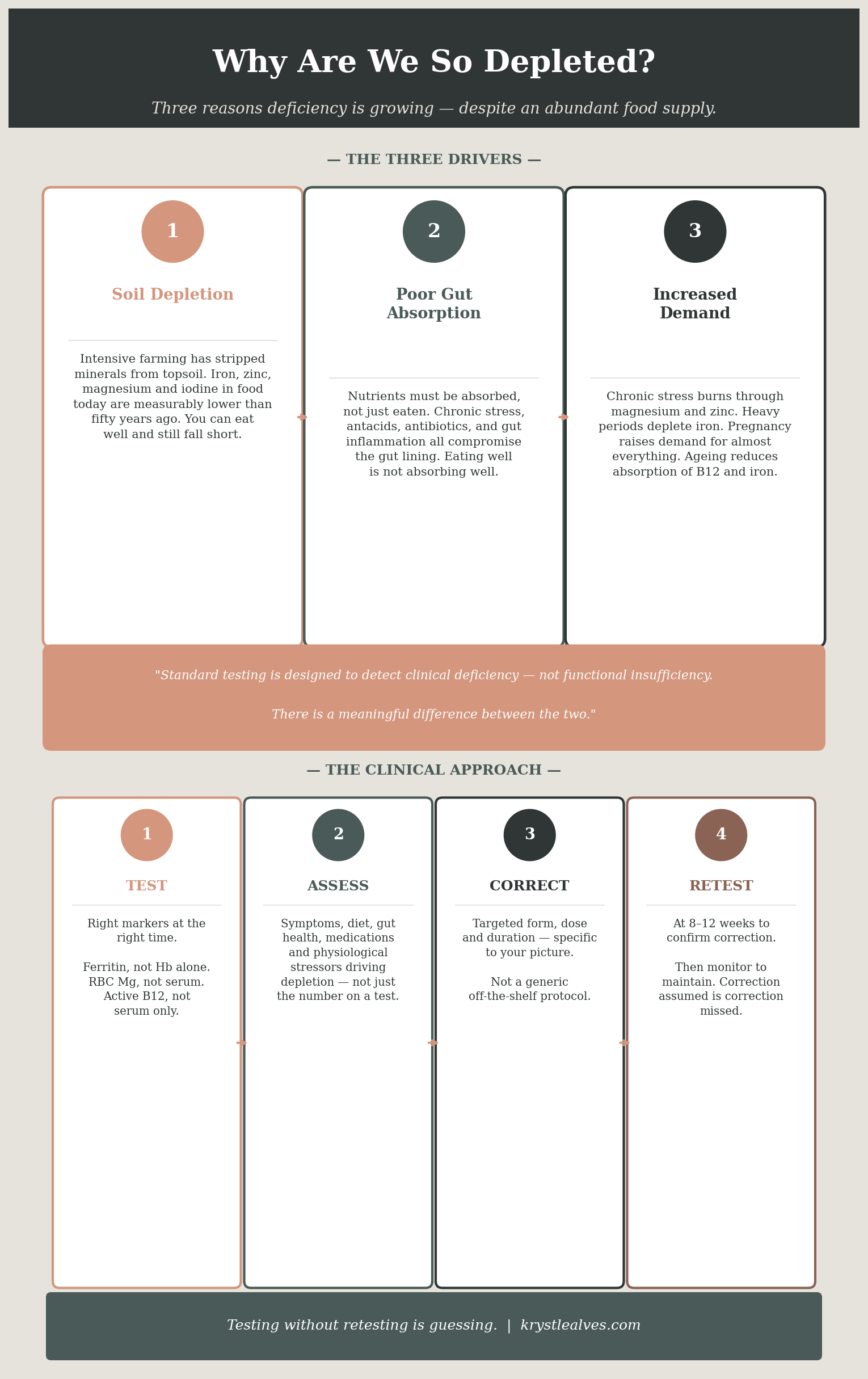
Soil depletion is the most under-discussed driver. Modern agricultural practices, intensive monoculture farming, synthetic fertilisers, and reduced crop rotation, have significantly depleted the mineral content of topsoil over the past century. Studies comparing the nutrient content of vegetables today with those grown fifty years ago show meaningful reductions in iron, zinc, magnesium, and iodine across many common foods. You can eat a diet that looks nutritionally adequate on paper and still fall short because the food itself contains less than it did.
Gut absorption is the second variable. Even when dietary intake is adequate, nutrients must be absorbed, and that process depends on a healthy gut lining, sufficient stomach acid, and a functional microbiome. Chronic stress, long-term use of proton pump inhibitors (PPIs) and antacids, antibiotic exposure, gut inflammation, and coeliac disease (often undiagnosed) all compromise absorption. Eating well is not the same as absorbing well.
Increased physiological demand accounts for the rest. Chronic stress substantially depletes magnesium and zinc. Prolonged blood loss (from heavy menstrual periods, for instance) depletes iron and ferritin faster than diet can replace it. Pregnancy and breastfeeding raise the demand for almost every nutrient covered here. Ageing reduces stomach acid production, impairing B12 and iron absorption. The body's requirements are not static, and the gap between intake and need widens under physiological load.
The result is a population with access to abundant food and persistent subclinical nutrient deficiency, a combination that standard panels are poorly equipped to detect.
Iron and Ferritin: The Most Commonly Missed Driver of Fatigue
Iron deficiency is the most prevalent nutritional deficiency globally. It is also, in clinical practice, one of the most frequently underdiagnosed, because the marker most often tested, haemoglobin, is the last to fall.
Ferritin, the body's iron storage protein, declines long before haemoglobin is affected. By the time anaemia appears on a blood test, iron stores have typically been depleted for months, sometimes years. A ferritin level that falls within the laboratory reference range (often as low as 10–12 µg/L) is not the same as a ferritin level that supports normal cellular function. Clinical experience and emerging research suggest that levels below 50–70 µg/L can produce significant symptoms in many people, particularly women.
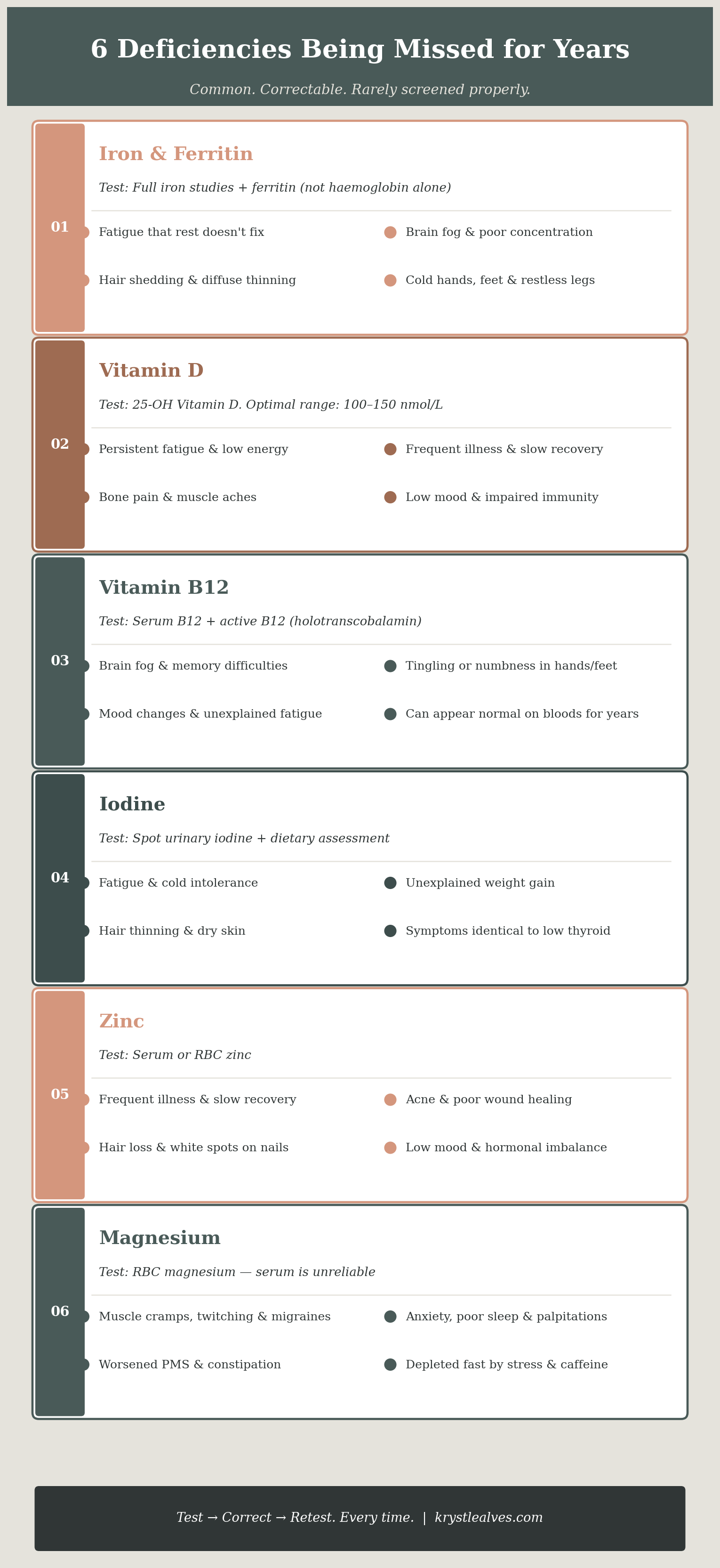
Symptoms of iron and ferritin deficiency include: persistent fatigue that doesn't respond to rest, brain fog and difficulty concentrating, poor exercise tolerance, breathlessness, cold hands and feet, hair shedding and diffuse thinning, brittle nails, restless legs, low mood, and reduced immunity.
The long-term consequences of unaddressed iron deficiency extend beyond fatigue. In children, it impairs neurodevelopment. In adults, it is independently associated with reduced cognitive function, impaired thyroid hormone conversion, poor immune regulation, and in pregnancy, significant risks to fetal development and maternal wellbeing.
The single most important clinical move is to test ferritin specifically, not haemoglobin alone, and to interpret the result in the context of symptoms, not simply in relation to the laboratory reference range.
Vitamin D: The Immune and Metabolic Regulator That Almost Everyone Is Short Of
Australia has a paradox: despite being one of the sunniest countries on earth, vitamin D deficiency is widespread. Estimates suggest that more than 30% of Australians have insufficient vitamin D levels, and in urban populations, people who work indoors, those who use sunscreen consistently, and those with darker skin tones, the figure is considerably higher.
The standard reference range for sufficiency is typically 50 nmol/L. Functional medicine practitioners and an increasing body of research suggest that levels between 100–150 nmol/L are more likely to confer the immune, metabolic, and musculoskeletal benefits that vitamin D is associated with.
Vitamin D is not truly a vitamin, it functions as a hormone, with receptors present in virtually every cell type in the body. It plays a direct role in immune regulation, calcium metabolism and bone mineralisation, insulin sensitivity, mood regulation (via influence on serotonin), and inflammation modulation.
Symptoms of deficiency include: fatigue, low mood and depression, frequent infections, bone pain and muscle aches, impaired wound healing, hair loss, and worsened autoimmune conditions.
Long-term consequences of insufficient vitamin D are significant. Inadequate levels are associated with increased risk of osteoporosis and fracture, increased susceptibility to autoimmune conditions (including multiple sclerosis, type 1 diabetes, and rheumatoid arthritis), metabolic syndrome, and cardiovascular disease. The research on vitamin D and cancer risk is still developing, but the association between low levels and increased incidence of several cancers is consistent enough to warrant attention.
Supplementation is dose-dependent and individual, a therapeutic dose for someone at 30 nmol/L is different from a maintenance dose for someone at 70. This is why testing, correcting, and retesting matters. Supplementing without knowing your baseline is guesswork; supplementing without rechecking is incomplete.
B12: The Neurological Marker That Hides Until It Doesn't
Vitamin B12 deficiency is insidious. The body stores B12 for years, which means the blood test can remain within range for a long time while neurological function is already being compromised. By the time a deficiency appears on a standard panel, the process has often been developing for years.
B12 is required for red blood cell formation, DNA synthesis, myelin production (the protective sheath around nerve fibres), and the production of neurotransmitters including serotonin and dopamine. It is found almost exclusively in animal-derived foods, which means those following vegetarian or vegan diets are at substantially elevated risk, as are older adults (reduced stomach acid impairs absorption from food), anyone taking metformin (the standard diabetes medication, which blocks B12 absorption), and those with gut conditions including atrophic gastritis, coeliac disease, or Helicobacter pylori infection.
Symptoms include: fatigue, cognitive impairment (memory difficulties, brain fog, reduced processing speed), mood changes including depression and irritability, peripheral tingling or numbness in the hands and feet, poor balance, and in more advanced deficiency megaloblastic anaemia.
The long-term risk of unaddressed B12 deficiency is irreversible neurological damage. Demyelination of nerve fibres, the process by which B12 deficiency damages the nervous system, can cause permanent cognitive and neurological impairment if not addressed before it progresses to a clinical threshold. This makes early detection far more consequential than it appears on a symptom level.
Standard serum B12 testing has known limitations. Active B12 (holotranscobalamin) and methylmalonic acid are more sensitive markers and provide a clearer picture of whether B12 is being utilised at the tissue level.
Iodine: The Forgotten Thyroid Nutrient
Iodine is essential for the production of thyroid hormones, T3 and T4, which regulate metabolism, body temperature, energy production, brain function, and cardiovascular function. Without adequate iodine, the thyroid cannot produce these hormones in sufficient quantities, regardless of how well the thyroid itself is functioning.
Iodine deficiency was largely eradicated in Australia following the mandatory iodisation of bread salt in 2009. But subclinical iodine insufficiency remains more common than is generally recognised, particularly in people who avoid iodised salt, do not consume seafood or dairy regularly, or who have increased physiological demand (pregnancy raises iodine requirements significantly, an area where deficiency carries serious consequences for fetal brain development).
Symptoms of iodine insufficiency include: fatigue, cold intolerance, unexplained weight gain, dry skin, hair thinning, brain fog, and slowed cognition, symptoms that overlap almost entirely with hypothyroidism, because inadequate iodine directly impairs thyroid hormone synthesis.
Iodine is rarely included on a standard thyroid panel. Spot urinary iodine testing provides a useful measure of recent intake, though it represents current status rather than long-term stores. Dietary assessment alongside clinical symptoms guides the clinical picture.
It is worth noting that iodine supplementation requires care in people with autoimmune thyroid disease (Hashimoto's thyroiditis), where high-dose iodine can exacerbate the autoimmune process. This is one area where testing and clinical supervision matter before supplementing.
Zinc: The Immune and Hormonal Co-factor That Stress Depletes First
Zinc is involved in over 300 enzymatic reactions in the body. It is essential for immune function, wound healing, protein synthesis, cellular growth and division, thyroid hormone metabolism, testosterone production, insulin signalling, gut lining integrity, and the function of the stress-response system.
The problem with zinc is that the body has no meaningful storage mechanism; unlike fat-soluble vitamins and iron, which are stored for later use, zinc must be replenished continuously through diet. Dietary sources are predominantly animal products (oysters, red meat, poultry) and some plant sources (legumes, nuts, seeds, wholegrains) though phytates in plant foods reduce zinc bioavailability considerably.
Zinc depletion is accelerated by chronic stress (the adrenal stress response consumes zinc at an elevated rate), by high copper exposure (which competes with zinc for absorption), and by gut dysfunction. People under prolonged psychological or physiological stress, those with a diet low in animal protein, and older adults (absorption declines with age) are particularly vulnerable.
Symptoms of zinc deficiency include: frequent illness and slow recovery from infection, poor wound healing, acne and persistent skin issues, hair loss and brittle nails, loss of taste or smell, poor appetite, white spots on nails, hormonal imbalances (particularly low testosterone and disrupted insulin signalling), and low mood.
Long-term consequences include impaired immune competence, increased susceptibility to infection and poor recovery, disrupted reproductive hormone function, worsened blood sugar regulation, and in children impaired growth and development.
Serum zinc has limitations as a sole marker (levels fluctuate throughout the day and in response to recent infection). Red blood cell zinc and clinical assessment alongside dietary history gives a more complete picture.
Magnesium: The Most Widely Deficient Mineral and the Least Likely to Show on a Standard Test
Magnesium is involved in more than 600 enzymatic reactions in the body. It is essential for ATP production (cellular energy), DNA and protein synthesis, neurotransmitter function, blood glucose regulation, blood pressure regulation, muscle contraction and relaxation, and nervous system function.
It is also the nutrient most reliably depleted by the modern lifestyle: chronic stress, high sugar and refined carbohydrate intake, caffeine and alcohol, certain medications (proton pump inhibitors, diuretics, certain antibiotics), and intensive exercise all increase urinary magnesium excretion. Soil depletion has also reduced the magnesium content of plant foods significantly over recent decades.
Critically, standard serum magnesium testing is an unreliable measure of body magnesium status. Only approximately 1% of the body's total magnesium is in the blood; the rest is stored in bone, muscle, and soft tissue. The body tightly regulates serum magnesium by pulling it from these stores meaning a serum level can remain within the reference range while intracellular magnesium is substantially depleted. Red blood cell (RBC) magnesium testing provides a more accurate reflection of true tissue status.
Symptoms of magnesium deficiency are broad and frequently dismissed: muscle cramps and twitching, headaches and migraines, anxiety and hypervigilance, difficulty sleeping, restless legs, fatigue, constipation, heart palpitations, PMS and menstrual cramping, and heightened sensitivity to stress.
Long-term consequences are significant. Magnesium deficiency is associated with increased cardiovascular risk (hypertension, arrhythmia), insulin resistance and type 2 diabetes, osteoporosis (magnesium is required for calcium metabolism and bone mineralisation), worsened anxiety and depression, and because magnesium is required for vitamin D activation supplementing vitamin D without adequate magnesium is partially self-defeating.
The Testing and Monitoring Approach
Identifying these deficiencies requires testing the right markers. A standard full blood count and metabolic panel will not detect most of what is described above. What's needed is a targeted functional assessment that includes:
Iron studies + ferritin not haemoglobin alone
25-OH Vitamin D the correct measure of vitamin D status
Serum B12 and, where indicated, active B12 (holotranscobalamin) and methylmalonic acid
Spot urinary iodine alongside dietary assessment
Serum or RBC zinc
RBC magnesium more reliable than serum
The assessment also includes symptom history, dietary pattern, medication use, gut health markers, and physiological stressors that may be driving depletion. Knowing what's low on a test is step one. Understanding why it's low and addressing that driver alongside correcting the deficiency is what prevents it from returning.
Supplementation is not the beginning of the process; accurate assessment is. The form, dose, and duration of supplementation are specific to the individual, the degree of deficiency, and what else is happening clinically. And correction is only confirmed through retesting not assumed.
In clinical practice, I retest at intervals appropriate to the correction pathway: typically eight to twelve weeks after initiating a targeted protocol, and then at regular intervals thereafter. Supplementation continues until levels are maintained without it, or until dietary and lifestyle changes support adequate status independently.
Why This Matters Beyond How You Feel Today
Nutrient deficiency rarely presents as a single catastrophic event. It presents as a gradual erosion of capacity tiredness that becomes baseline, a sharpness that quietly dulls, a resilience that contracts without obvious cause. The process is slow enough that it gets attributed to ageing, stress, or the demands of modern life.
The consequences, over time, are not trivial. Unaddressed iron deficiency drives thyroid dysfunction. Low vitamin D compromises bone density and immune regulation. B12 insufficiency quietly depletes neurological reserve. Low zinc undermines hormonal balance and immune competence. Low magnesium impairs cardiovascular function and worsens insulin resistance.
These are not abstract long-term risks. They are the substrate of chronic disease and they are modifiable when identified early.
If you have been told your results are normal and you still don't feel well, there is a high probability that what's actually normal has not yet been properly investigated.
This article is for educational purposes. Please discuss any health concerns with your GP or healthcare practitioner before commencing supplementation.